Fleet Operators School
Start Your Career in Fleet Operations
A practical introduction to fleet and vessel operations for those starting their career in shore-based shipping.
Learn how commercial vessels are operated from shore, how voyages and port calls are coordinated, how operators work with masters, agents, charterers and internal departments, and how operational decisions are made when circumstances change.
About the Programme
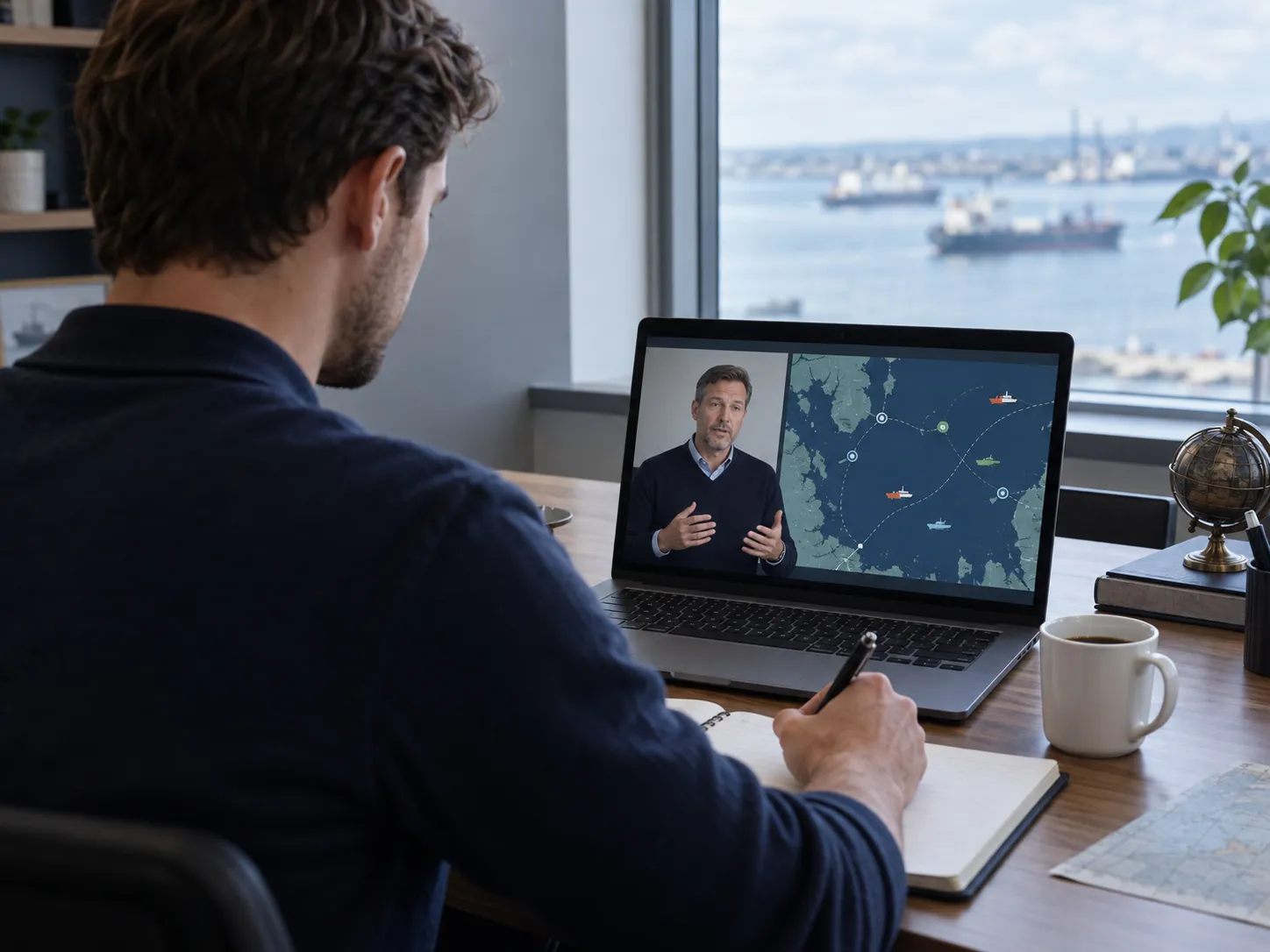
Fleet operators are at the centre of day-to-day vessel operations. They coordinate voyages, monitor vessel schedules, communicate with masters and port agents, support commercial requirements and connect the vessel with different departments ashore.
The Fleet Operators School introduces participants to the fundamentals of shore-based vessel operations and the practical responsibilities of an operator.
The programme follows the operational lifecycle of a voyage — from receiving voyage instructions and monitoring vessel performance to coordinating port calls, working with commercial, crewing and technical teams, and responding to delays and operational incidents.
The course is built around practical situations rather than theory alone and is designed both for newcomers preparing for their first operations role and junior maritime professionals who want to develop a structured understanding of fleet operations.
What You Will Learn
By completing the programme, participants will understand:
- how a shipping company and its operations department are organised;
- the role and responsibilities of a fleet or vessel operator;
- how voyages are planned, monitored and coordinated;
- how vessel schedules, ETA and operational updates are managed;
- how port calls are prepared and coordinated;
- how operators work with masters, agents, charterers and shore-based departments;
- the basic commercial principles behind voyage and time charter operations;
- the fundamentals of laytime, demurrage and operational documentation;
- how crewing and technical matters affect vessel operations;
- the basic safety and regulatory framework relevant to an operator;
- how operational deviations, delays and incidents are handled;
- how to prioritise information and make decisions in a dynamic operational environment.
Who Is This Programme For?
The programme is designed for:
Career starters
People considering their first shore-based role in fleet or vessel operations and looking to understand what the job involves before entering the industry.
Junior operations professionals
Employees who have recently joined an operations department and want to develop a structured understanding of vessel and voyage management.
Seafarers moving ashore
Deck and engine officers and other maritime professionals considering a transition from sea-going positions into shore-based fleet operations.
Maritime professionals moving into operations
Professionals from crewing, technical, procurement, port agency, logistics or other maritime functions who want to understand vessel operations and prepare for an operator role.
No previous experience as a fleet operator is required.
Modules
Understand how shipping operations are organised and where the fleet operator fits within the wider maritime business.
Topics include
- How the shipping industry works
- Shipowners, ship managers and operators
- Main vessel and cargo types
- Vessel and shore-based organisation
- The role of a fleet operator
- Master and vessel crew
- Owners and charterers
- Port agents and terminals
- Commercial and chartering teams
- Technical and crewing departments
- Communication between ship and shore
Outcome
You will understand the operator’s role within a shipping company, the main parties involved in vessel operations and how information and responsibilities move between them.
Learn how operators prepare, monitor and coordinate a vessel’s voyage from one port to another.
Topics include
- Voyage instructions
- Voyage planning fundamentals
- Vessel schedules and port rotations
- ETA and ETD management
- Monitoring voyage progress
- Speed and consumption basics
- Weather and route considerations
- Bunker planning and coordination
- Daily vessel reports
- Voyage updates
- Port arrival preparation
- Schedule changes and delays
Practical case
Monitor a vessel during a voyage and respond to a change in ETA affecting the next port call.
Outcome
You will understand how an operator maintains an up-to-date operational picture of the vessel and coordinates a voyage as conditions change.
Understand what happens when a vessel approaches, enters and leaves a port and how the operator coordinates the process from shore.
Topics include
- Preparing for a port call
- Working with port agents
- Pre-arrival information
- Berth planning
- Pilotage and towage
- Cargo operations
- Bunkering coordination
- Port services
- Vessel documentation
- Arrival and departure procedures
- Port restrictions
- Congestion and weather delays
- Maintaining communication during the port call
Practical case
Coordinate a vessel’s port call when berth availability changes and the vessel’s schedule needs to be updated.
Outcome
You will understand the key stages of a port call and the operator’s role in keeping the vessel, agent and relevant shore-based teams aligned.
Learn the commercial concepts that fleet operators need to understand when managing vessels and voyages.
Topics include
- Introduction to chartering
- Voyage Charter
- Time Charter
- Charter Party fundamentals
- Owners’ and charterers’ responsibilities
- Voyage orders
- Freight and hire basics
- Notice of Readiness (NOR)
- Statement of Facts (SOF)
- Laytime
- Demurrage and despatch
- Off-hire basics
- Commercial impact of delays
- Working with chartering and post-fixture teams
Practical case
Review a port delay using vessel and agent information and identify the operational data required by the commercial team.
Outcome
You will understand how everyday vessel operations connect with charter-party obligations and why operational decisions and accurate reporting can have direct commercial consequences.
Understand how crew-related matters affect vessel operations and how operators work with the crewing department.
Topics include
- Introduction to vessel manning
- Roles and responsibilities on board
- Safe manning requirements
- Crew planning and rotation
- Crew changes
- Travel and port coordination
- Joining and signing-off crew
- Documentation basics
- Working with port agents
- Coordination with the crewing department
- Operational impact of crew-related problems
Practical case
Coordinate a crew change during a short port call while maintaining the vessel’s operational schedule.
Outcome
You will understand the basic principles of crew planning and how fleet operators coordinate with crewing teams, vessels and agents to support safe and uninterrupted operations.
Build a practical understanding of the safety, security, environmental and regulatory framework surrounding vessel operations.
Topics include
- Introduction to the IMO regulatory framework
- SOLAS basics
- MARPOL basics
- ISM Code
- ISPS Code
- Safety Management System
- Vessel certificates and documentation
- Port State Control
- Flag State requirements
- Vetting fundamentals
- Reporting deficiencies
- Corrective actions
- Operator’s role in compliance and communication
Practical case
Respond to an operational issue identified during a vessel inspection and coordinate the required information between the vessel and shore-based teams.
Outcome
You will understand the main regulatory and compliance areas relevant to fleet operations and the operator’s role in supporting the vessel and specialised HSSEQ teams.
Understand how technical condition, maintenance and repairs affect vessel operations and how fleet operators coordinate with technical teams.
Topics include
- Role of the technical department
- Technical Superintendent
- Planned Maintenance System basics
- Routine maintenance
- Technical defects
- Repairs and service attendance
- Spare parts requirements
- Dry-docking basics
- Technical downtime
- Operational impact of machinery problems
- Basic operating cost awareness
- Coordination between vessel, operator and technical department
Practical case
A technical defect may delay the vessel’s departure. Coordinate information between the master, technical team, agent and commercial stakeholders and assess the impact on the vessel’s schedule.
Outcome
You will understand how technical issues influence vessel operations and how an operator works with technical specialists without taking over the responsibilities of the technical department.
Learn how fleet operators respond when normal operations are disrupted and decisions need to be made quickly.
Topics include
- Operational deviations
- Machinery failures
- Severe weather
- Port closures and congestion
- Cargo-related incidents
- Crew emergencies
- Grounding and collision awareness
- Pollution incidents
- Emergency communication
- Escalation procedures
- Internal and external reporting
- Maintaining an incident timeline
- Prioritising actions
- Decision-making under time pressure
Practical case
A vessel experiences an operational incident while approaching its next port. Assess the available information, identify who needs to be informed, prioritise immediate actions and prepare an operational response.
Outcome
You will learn how to structure your response to unexpected situations, communicate effectively and recognise when and how an issue needs to be escalated.
At the end of the programme, participants complete a simulated vessel operations assignment.
You are responsible for a vessel completing a voyage and preparing for its next port call. During the simulation, several operational circumstances change and require your attention.
Your task is to
- review the voyage instructions and vessel status;
- monitor the vessel’s progress and ETA;
- prepare for the upcoming port call;
- coordinate with the master and port agent;
- identify relevant commercial requirements;
- coordinate a crew-related or technical requirement;
- respond to an unexpected operational change;
- assess its impact on the vessel’s schedule;
- communicate the situation to relevant stakeholders;
- prepare the required operational updates and reports.
The case brings together the main responsibilities and workflows covered throughout the programme and demonstrates how different parts of vessel operations are connected.
Skills You Will Gain
After completing the programme, you will have a foundation in:
Vessel Operations
Understanding how commercial vessels are managed and coordinated from shore.
Voyage Management
Monitoring voyages, vessel schedules, ETA and operational changes.
Port Call Coordination
Understanding and coordinating the main activities surrounding vessel arrivals, port stays and departures.
Commercial Awareness
Understanding the connection between vessel operations, charter-party requirements, laytime and commercial performance.
Ship-to-Shore Communication
Communicating effectively with masters, agents and internal departments.
Cross-Department Coordination
Working with commercial, crewing, technical and HSSEQ teams.
Operational Reporting
Understanding the reports, documents and information required during everyday vessel operations.
Problem Solving & Decision-Making
Responding systematically to delays, deviations and unexpected operational situations.
Disclaimer: This educational programme is intended for professional development purposes only. Any certificate issued confirms completion of the programme and does not constitute a formal professional qualification, accreditation, or licence.
$1,570 excl. tax
Apply for the programmeProgramme
- Start
- 12 April 2026
- Duration
- 12 weeks
- Format
- Online
- Language
- Russian and English
- Level
- Mid to senior
Included
- 8 modules and a final practical case
- Real cases, workflows and documents
- Learn at your own pace
- Support from a curator
- Access to a practitioner-methodologist
Apply for the programme
Fleet Operators School · starts 12 April 2026. Applications are reviewed in order of receipt.
- Online, at your own pace
- Payment terms sent with the confirmation
- Level check before enrolment, not an exam